
Jump For Bone Health: Stressing Your Bones Makes Them Stronger
Watching a parent get less steady on their feet is scary, especially when osteopenia and fracture risk are in the picture. Learn how simple jump training can stress your bones in the right way, prevent osteoporosis, and how to layer jumping into your 4-3-2 Method workouts.

When Your Mom almost falls a few too many times
Over the last five years I have noticed my mom is less steady on her feet.
At first it was subtle. She would grab a railing a little more firmly, or take an extra second before stepping off a curb. Then there were the almost-falls when she was walking with my kids. That sharp inhale, the quick wobble, my child’s hand getting squeezed just a bit too tightly.
She has osteopenia. I know what a single fall could mean for her.
As a physician, I also know the statistics. The most common osteoporotic fractures are in the wrist, spine, shoulder, and hip.[1] Hip and spine fractures especially are “life event” fractures. Up to one in five older adults dies within a year of a hip fracture, and many never regain their previous independence.[2][3][4] I’ve seen this happen in the hospital setting, in my clinic, and amongst family friends. A fracture is not just a broken bone. It is a hit to mobility, confidence, and quality of life, with ripple effects for the entire family.
Walking next to my mom, watching her almost go down while holding my kid’s hand, is where all of this stops being abstract. I do not want a preventable fall to be the thing that changes her story. I do not want that for any of us when we are in her shoes.
That is why I care so much about bone health across the whole lifespan. Peak bone in childhood. Maintenance in midlife. Preservation in older age. And why I am obsessed with efficient ways to protect bone that fit real lives.
One of the highest return tools we have is incredibly simple.
You jump.
Why Bone Health Matters From Childhood To Old Age
Bone health is more than a DEXA scan number. It is about:
- staying upright when you trip on a Lego, or an uneven sidewalk
- absorbing impact when a grandchild barrels into you
- having the reserves to heal if you do fall
The problem is that bone loss is slow and silent. We lose bone every decade after peak bone mass, and that loss accelerates in women after menopause and in men later in life.[5][6][7]
Low bone mineral density (BMD) leads to:
- higher risk of fractures in the hip, spine, and wrist[1][2][3]
- increased pain and spinal curvature from vertebral compression fractures
- loss of height
- reduced walking speed and balance
- greater mortality after major fractures, especially at the hip[2][4][8]
The World Health Organization recognizes fragility fractures as a major global health problem, with hip and vertebral fractures being the most serious.[4] These are not rare events. They are common outcomes of decades without enough targeted bone stress.
The good news is that bone is incredibly responsive to the right input. Mechanical loading changes bone structure at any age.[5][6][7] And jump training is one of the cleanest ways to deliver that input.
Stressing Your Bones Makes Them Stronger
Bones behave a lot like muscles. They remodel in response to the stress you place on them.
When you jump and land, your skeleton experiences a quick spike in ground reaction force. Jumping and similar high-impact activities can generate forces of 4 to 8 times body weight, compared with about 1 to 2 times body weight during walking.[6][9][10] That rapid loading creates small, safe deformations in the bone, which, over time, these signals translate into higher bone mineral density and better bone microarchitecture, especially at the hip and femoral neck (that’s the upper narrow part of the long bone of your thigh).[5][7][9]
The American College of Sports Medicine explicitly recommends high-impact activities like jumping, hopping, and skipping as part of a bone health plan, alongside resistance training.[6]
In short: Bones need stress to stay strong. The right kind of stress comes from short, sharp impact, not just more steps.
Jump Training Across The Lifespan
Kids and teens: building the “bone bank”
Childhood and adolescence are when we build the majority of our lifetime bone bank. High impact play matters. Those playground hops and jump rope games are literally building the foundation that will protect their hips at 70.
Premenopausal women: quietly protecting the hip
Bone loss in women starts well before menopause. Jump training helps target future fracture hot spots.
Adult men and women with low bone mass
Men are often left out of the osteoporosis conversation, but they also experience bone loss and fragility fractures.
How Jumping Compares To Other Exercise
Running and walking are important for heart and metabolic health. For bone, they are helpful but incomplete.
- High-impact jumping significantly improved bone mineral content at the lumbar spine and femoral neck in youth, especially in girls, compared with resistance training alone.[13]
- Distance runners do tend to have higher Bone Mineral Density (BMD) at weight bearing sites than inactive controls, but these differences narrow with age and are limited mostly to the legs.[16][17]
- Walking programs, especially at moderate intensity, provide only modest bone preservation in older women because they do not generate high enough loading forces.[6]
In men with low bone mass, both resistance training and jump training improved BMD, but resistance training only provided a unique benefit at total hip BMD, while jumping delivered strong whole body and lumbar spine responses.[15]
The point is not to choose jumping instead of strength training or cardio. It is to combine them.
Network meta analyses in postmenopausal women suggest that combined aerobic plus resistance training ranks among the most effective strategies for improving lumbar spine and femoral neck BMD.[18][19] American C0llege of Sports Medicine recommends pairing high-impact activities like jumping with resistance training for optimal bone health.[6]
This is exactly what we do inside the 4-3-2 Method.
How Much Jumping Do You Actually Need?
There is no single magic dose, but the research gives us practical ranges.
Effective adult jump programs typically use:[5][7][9][15]
- Frequency: 3 sessions per week
- Volume: about 50 to 100 jumps per session
- Duration: roughly 5 min per session, broken into short sets
Across studies, this level of impact produced increases in femoral neck BMD in adults, with benefits in both younger and older participants.[5][9]
Anyone with osteopenia, osteoporosis, joint disease, or a history of fragility fracture should individualize this with their clinician or physical therapist.
Less than 10 min a week of precision jump movement should be able to fit into anyone’s schedule.
Types Of Jump Exercises: From Couch Level To Jump Rope
You do not need a box, a gym, or an athletic background. You can create a meaningful bone stimulus in your living room.
Level 1: Impact warm up
If you are new to jumping or nervous about your joints:
- Heel drops: rise onto your toes, then drop your heels to the floor with a light thump.
- Ankle bounces: small hops where your heels barely leave the ground.
- Side-to-side shifts with tiny hops: think of shifting your weight rather than taking off.
- Step offs: step down from a low step and practice soft, quiet landings.
These movements begin to introduce impact while you learn to absorb force safely.
Level 2: Simple ground jumps
Once Level 1 feels easy and pain free:
- two foot hops in place
- forward and backward line jumps
- side-to-side line jumps
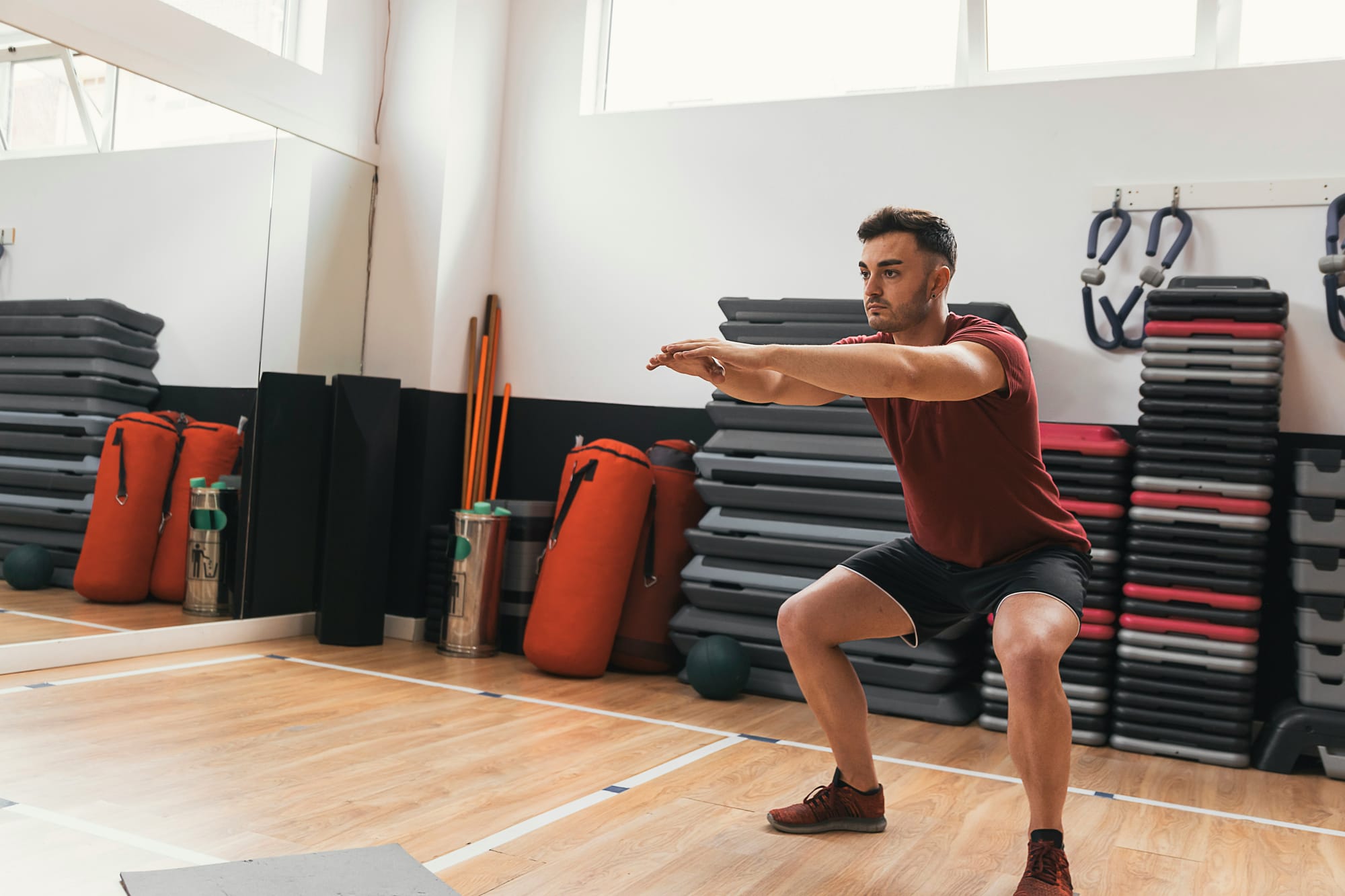
- mini squat jumps with gentle height
Start with 3 sets of 10 jumps and build from there.
Level 3: Jump rope
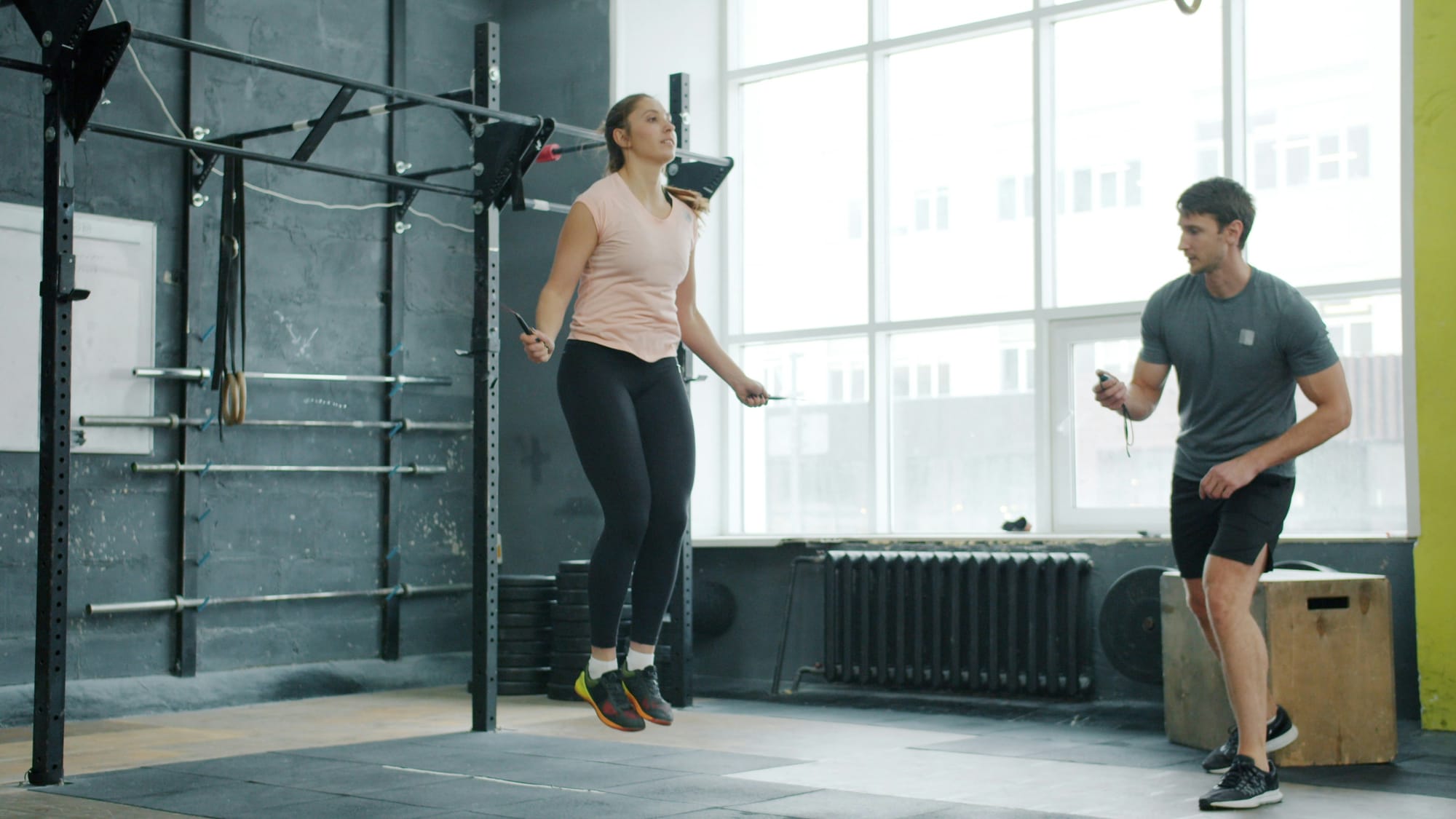
Rope skipping is a classic, and it has direct evidence for bone benefits.
- In pubertal girls, weekly rope skipping increased heel bone density.[12]
- Rope skipping and other forms of jump training meet the osteogenic thresholds for ground reaction forces that drive bone adaptation.[5][9][10][20]
Start with:
- 10 to 20 seconds of easy single hops
- 20 to 30 seconds of rest
- repeat 6 to 8 times
That is under 5 minutes and fits easily into an existing workout.
Level 4: Higher impact options (optional)
Only for those with good joint health and a foundation of strength:
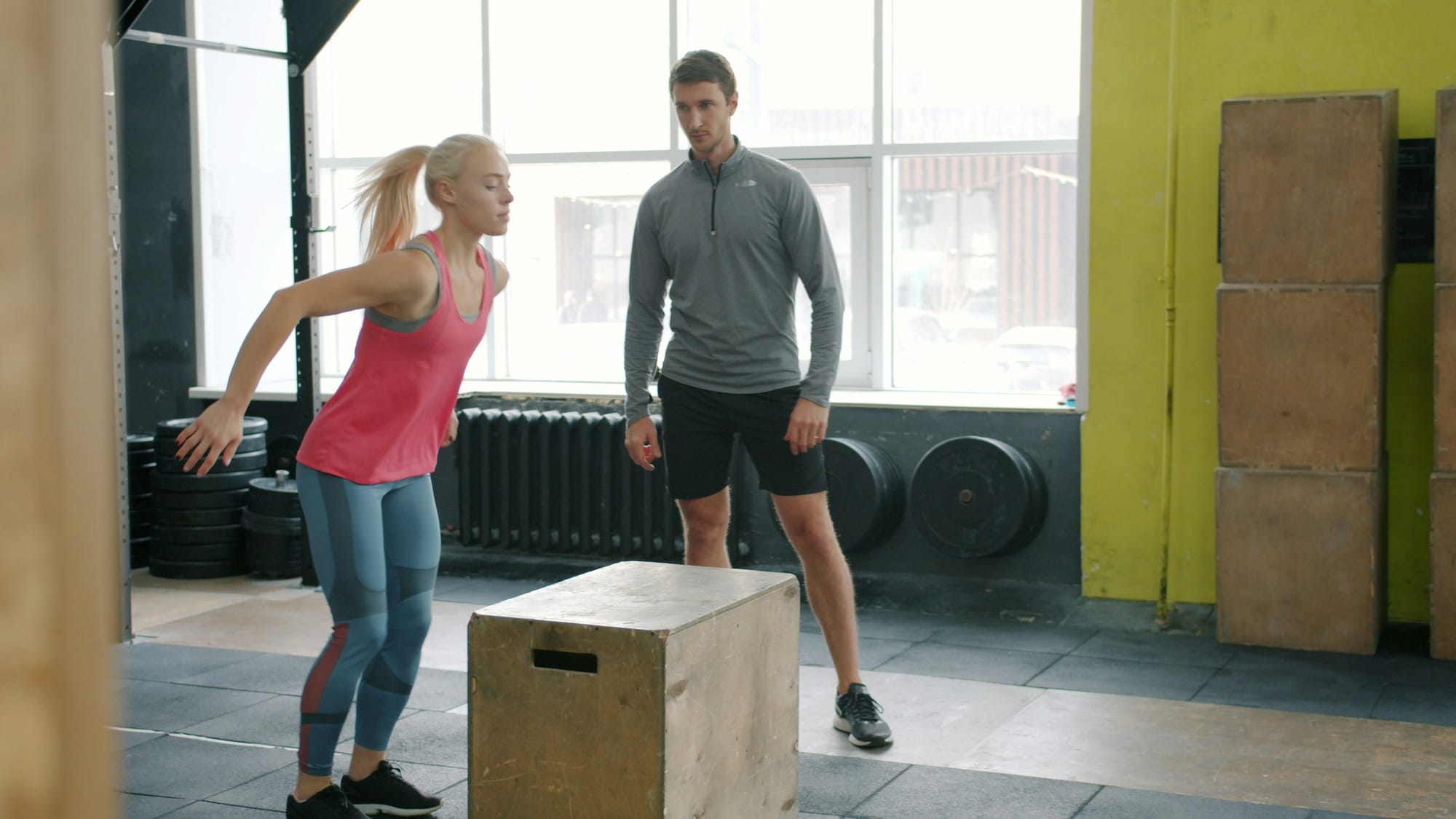
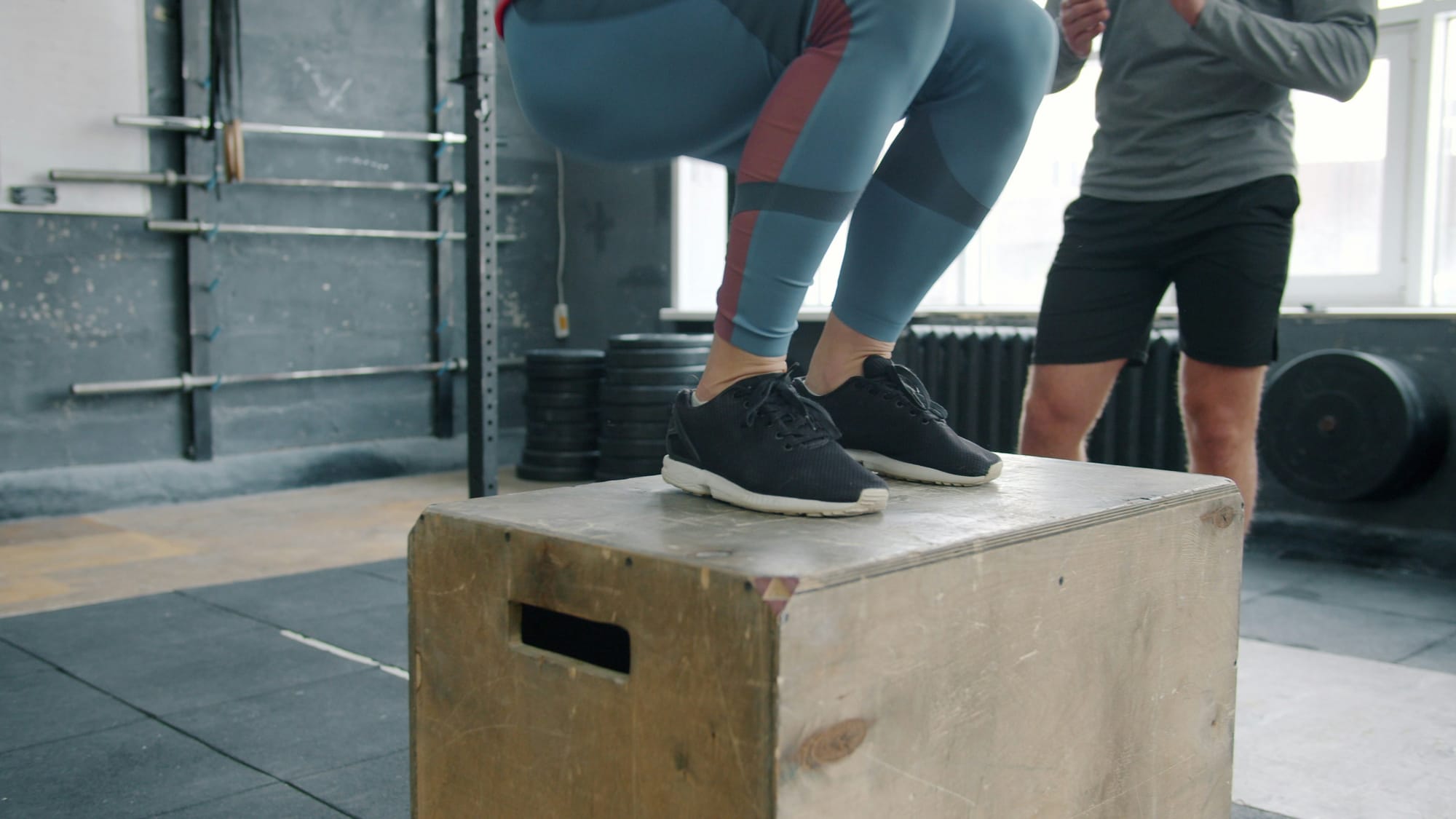
- low box jumps with step down
- skater jumps side to side
- power skipping
These are not required. Most of the bone benefit comes from consistent low and moderate height jumps done week after week.[7][9][19]
How Jumping Fits Into The 4-3-2 Method Without Adding Hours
The 4-3-2 Method is your weekly Precision Movement longevity framework:
- 4 sessions of Zone 2 aerobic activity
- 3 sessions of strength training stacked with HIIT
- 2 sessions of mobility, stability, or restorative practice[22]
Jumping is a prime example of stacking exercises for benefits without adding hours. You can use it to upgrade sessions you already have.
On the “3” days: Strength plus HIIT
These three days each week are the primary home for jump training in the 4-3-2 Method.
1. Stack Jump onto the Strength Block
Your foundational Strength block is 20 to 30 minutes of compound lifts or bodyweight strength, three times per week, with each day focused on different body parts.
You can weave jump work directly into this block using simple plyometrics:
- On leg days, add squat jumps or jumping lunges at the end of a set.
- On back and shoulder days, add mountain climbers between strength sets.
Aim for 4 to 8 sets of jump movements, about 30 seconds each, using variations like:
- squat jumps
- box jumps
- jumping lunges
This turns your strength work into a built in bone stimulus without extending the session.
2. Stack Jump onto the HIIT Block
After the strength block, you transition into 15 to 20 minutes of HIIT, three times per week. A classic setup is 4 to 8 sets of high intensity intervals, such as:
- 1 to 2 minute treadmill runs
- hard stationary bike or Peloton efforts
- rowing machine sprints
These sessions are already great for your heart. To up level both heart rate and bone stress, layer in short bouts of jumping.
For each of your 4 to 8 HIIT sets, add up to 20 jumps using movements such as:
- Pogo hops
- Jump rope
- Skaters
Start with fewer jumps and ramp up as you get more comfortable with the movements.
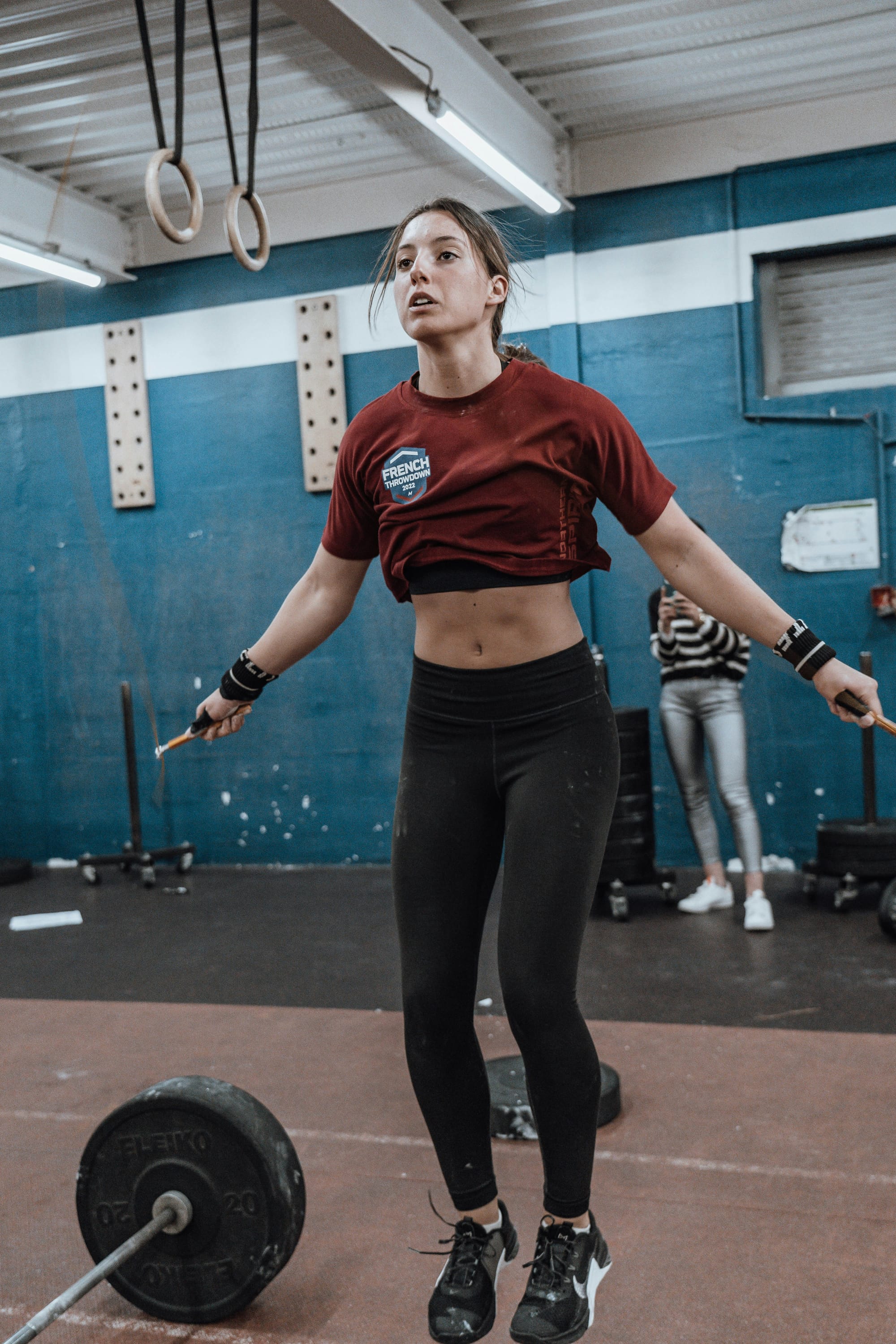
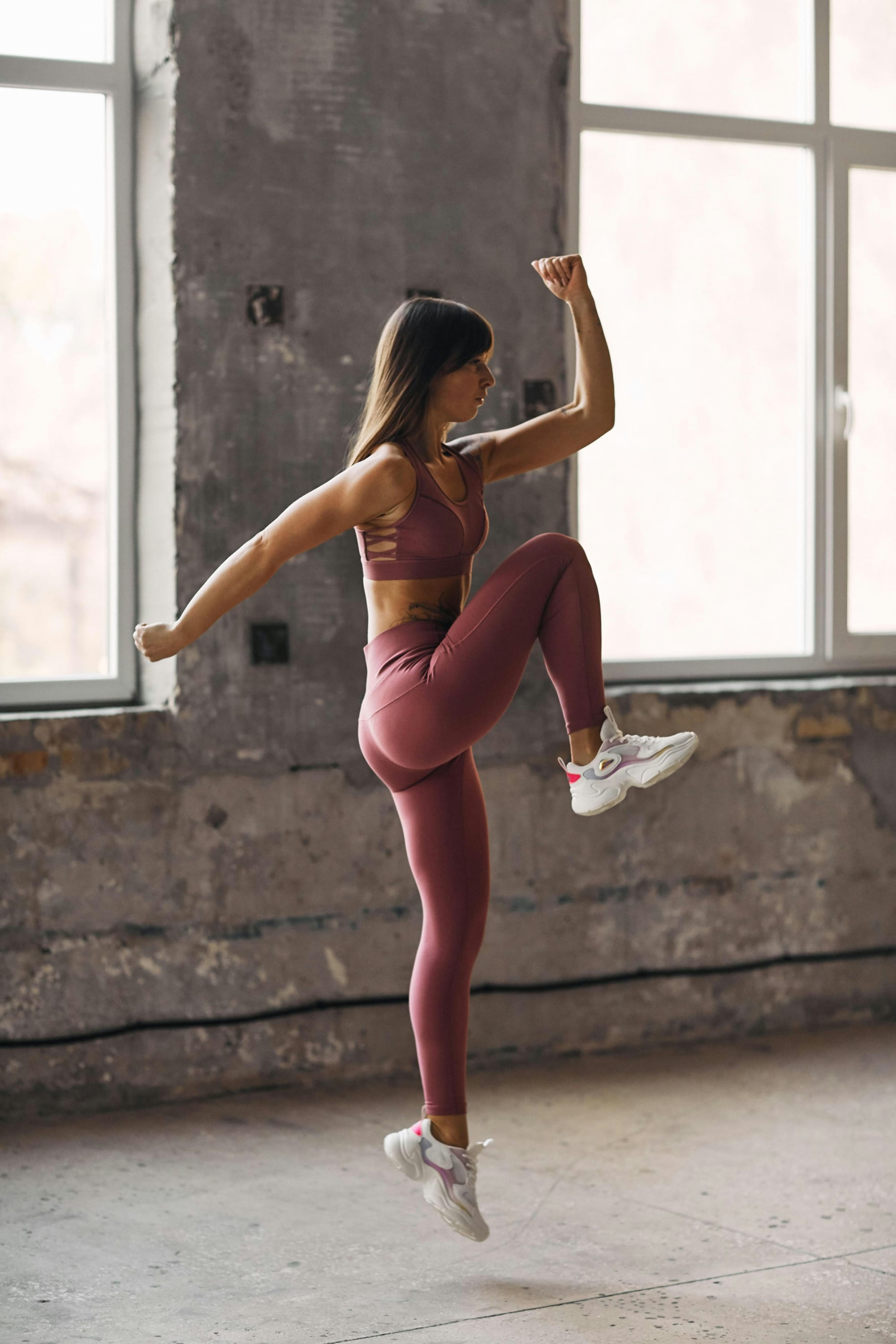
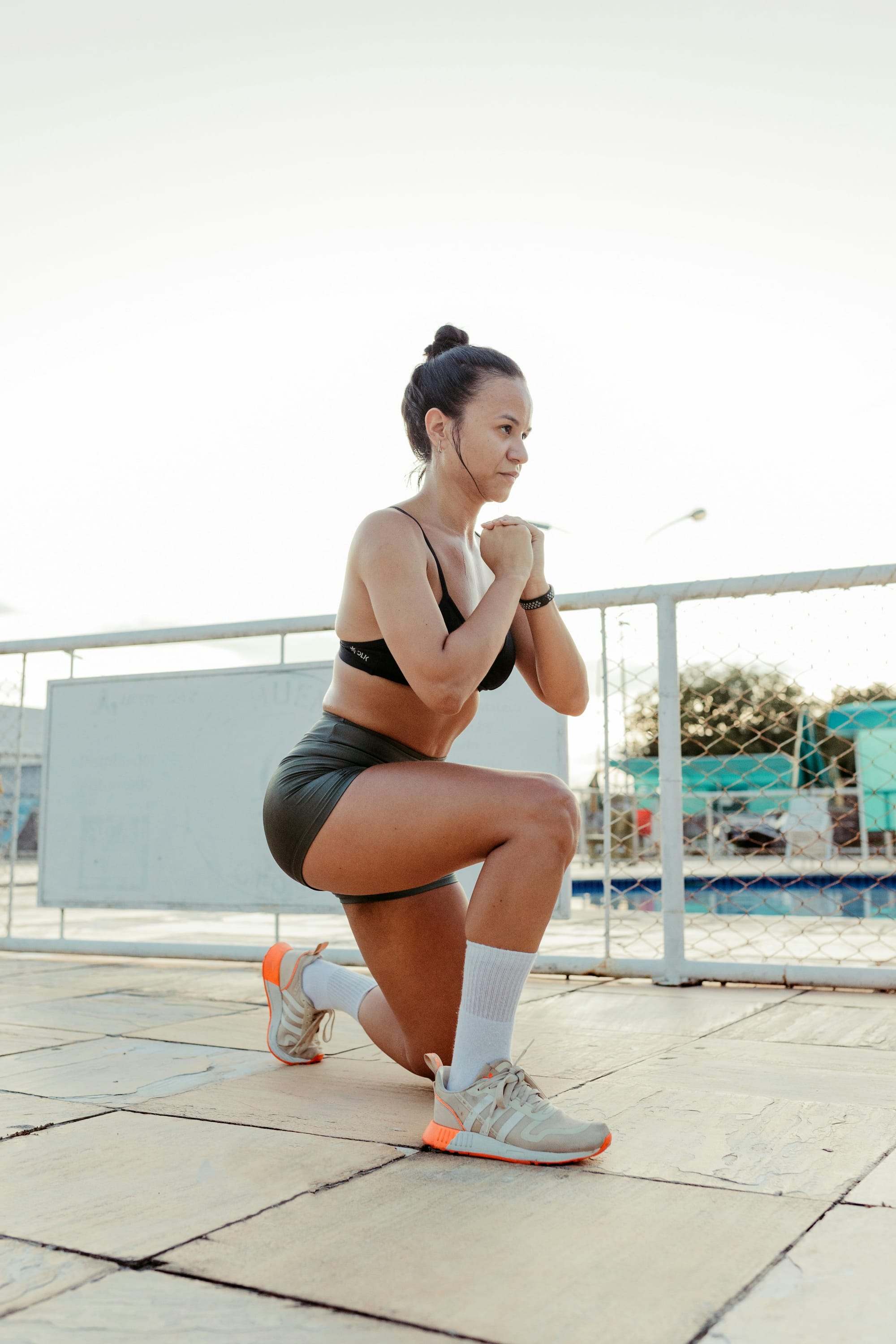
Remember that HIIT always includes 30 to 60 seconds of easy walking, slow pedaling, or shaking out between sets so your heart rate can come down before you push again.
You are already doing strength and HIIT. The jump part is just a few minutes of “bone sandwich” in the middle, your total number of minutes don't need to increase.
Incorporating Jump into the “4” days of the 4-3-2 Method: Zone 2
Zone 2 is your steady, conversational pace cardio for heart and metabolic health. You do not want to turn this into an interval session, but you can still sneak in a tiny bone stimulus.
For one or two of your Zone 2 days:
- Before you start your main walk, cycle or jog, do:
- 2 to 3 sets of 10 low jumps or 15 seconds of gentle jump rope
- a brief rest between sets
- Then go directly into your planned Zone 2 walk, cycle, or jog.
Total impact time is about 1 to 3 minutes. Your heart settles into Zone 2 for the rest of the session, and your bones still get a reminder that they matter.
Where Precision Movement fits
Your Precision Movement work is the glue. It supports:
- joint mobility for healthy landings
- balance and posture so you are less likely to trip
- muscle control to share impact across the chain
Why “Just Take Calcium” Is Outdated And Where Vitamin D + K Fit
A word on Smart Therapeutics, or supplements for bone health. For years, many people were told to protect their bones by taking calcium tablets. We now know that story is incomplete.
Calcium supplements: not the silver bullet
Calcium is essential for bone health, but large, routine calcium supplements for everyone are not supported by current evidence.
- Meta analyses of randomized trials suggest that high dose calcium supplements, is not associated with lower fracture risk, and can increase cardiovascular disease risk in some groups, particularly otherwise healthy postmenopausal women. [23][24][25]
Food based calcium, matched to individual needs, remains important. But the era of “everyone over 50 should take big calcium tablets just in case” is over.
If you are someone who has DEXA confirmed osteoporosis, prescription treatment with other categories of medications is often necessary, and your primary care doctor is the best one to speak to for treatment.
Vitamin D and K: smarter complements, not substitutes
Vitamin D is crucial for calcium absorption and bone remodeling. Vitamin K, especially K2, helps activate the proteins that move calcium into bone and away from arteries. If you are low on vitamin D, which can be easily assessed with a blood test, then it’s important to replete.
The takeaway is not “everyone should take D and K.” It is:
- bone health starts with mechanical loading from exercise
- nutrition and supplements should be targeted and personalized.
- Low vitamin D is bad for health, but over supplementation can result in toxicity! Find out what your Vitamin D level with labs, I order it for all my patients.
- Vitamin D and K may act as smart complements to a bone focused movement plan, not replacements for jumping and strength work.
I will break down evidence based “smart therapeutics” for D, K2, and other supplements in a future article so you can build a plan that matches your labs, genetics, and risk profile.
In the meantime, if you want extra support while you work on the movement side, you can join my online dispensary for discounted pricing on the bone support supplement stack from my longevity clinic Elixos.

Action Steps: What You Can Do Now
- Choose three days this week that are already your strength plus HIIT days in the 4-3-2 Method.
- On each of those days, add a short jump “sandwich” inside your Strength or HIIT block:
- Week 1: 4 sets of 8 low jumps, rest as long as you need between sets
- Week 2: 6 sets of 8 to 10 jumps, if your joints feel good
- Add a 2 minute jump primer before one of your Zone 2 sessions:
- 2 sets of 10 low jumps or 15 seconds of easy jump rope
- Pay attention to how your body responds the next day.
- If your feet, knees, or back are grumpy, drop back a level or see where mobility and strength work need to catch up.
- Think in years, not weeks.
- Bone responds slowly but surely to consistent stress. The goal is not a perfect month. The goal is a stronger skeleton 10, 20, 30 years from now.
When I walk with my mom now, I still keep a quiet eye on the uneven sidewalk and the enthusiastic grandchild tugging her arm. But I also think about the impact sessions I am giving my own bones today, so my kids are less afraid when they walk next to me at her age.
Jumping is not just play. It is a tiny daily vote for your future mobility.
References
- Osteoporosis Canada. (2024). Facts and stats. Retrieved from https://osteoporosis.ca/facts-and-stats/ (Osteoporosis Canada |)
- World Health Organization. (2024). Fragility fractures. Retrieved from https://www.who.int/news-room/fact-sheets/detail/fragility-fractures (World Health Organization)
- Healthy Bones Australia. (2025). Most common fracture sites due to osteoporosis. Retrieved from https://healthybonesaustralia.org.au/news/most-common-fracture-sites-due-to-osteoporosis/ (Healthy Bones Australia)
- Buesser, M. R., Obey, J. L., Wilson, C. M., McAndrew, M., & Berkes, M. B. (2025). The impact of biological age and age acceleration on 1-year mortality in elderly hip fracture patients. Archives of Osteoporosis. https://doi.org/10.1007/s11657-025-01572-x (SpringerLink)
- Florence, G. E., Oosthuyse, T., & Bosch, A. N. (2023). Skeletal site-specific effects of jump training on bone mineral density in adults: A systematic review and meta-analysis. Journal of Sports Sciences, 41(23), 2063–2076. https://doi.org/10.1080/02640414.2024.2312052
- Kohrt, W. M., Bloomfield, S. A., Little, K. D., Nelson, M. E., & Yingling, V. R. (2004). American College of Sports Medicine position stand: Physical activity and bone health. Medicine & Science in Sports & Exercise, 36(11), 1985–1996. https://doi.org/10.1249/01.MSS.0000142662.21767.58
- Ng, C. A., Gandham, A., Mesinovic, J., et al. (2023). Effects of moderate to high-impact exercise training on bone structure across the lifespan: A systematic review and meta-analysis of randomized controlled trials. Journal of Bone and Mineral Research, 38(11), 1612–1634. https://doi.org/10.1002/jbmr.4899
- Epidemiology of osteoporosis and fragility fractures. (2024). Royal Osteoporosis Society. Retrieved from https://theros.org.uk/healthcare-professionals/clinical-quality-hub/epidemiology-of-osteoporotic-fracture-an-overview/ (Royal Osteoporosis Society)
- Cauley, J. A., & Giangregorio, L. (2020). Physical activity and skeletal health in adults. The Lancet Diabetes & Endocrinology, 8(2), 150–162. https://doi.org/10.1016/S2213-8587(19)30351-1 (Cambridge University Press & Assessment)
- Clissold, T. L., Winwood, P. W., Cronin, J. B., & De Souza, M. J. (2018). Do bilateral vertical jumps with reactive jump landings achieve osteogenic thresholds with and without instruction in premenopausal women? Journal of Applied Biomechanics, 34(2), 118–126. https://doi.org/10.1123/jab.2017-0114
- Hinton, P. S., Nigh, P., & Thyfault, J. (2017). Serum sclerostin decreases following 12 months of resistance- or jump-training in men with low bone mass. Bone, 96, 85–90. https://doi.org/10.1016/j.bone.2016.10.011
- Ha, A. S., & Ng, J. Y. Y. (2017). Rope skipping increases bone mineral density at calcanei of pubertal girls in Hong Kong: A quasi-experimental investigation. PLOS ONE, 12(12), e0189085. https://doi.org/10.1371/journal.pone.0189085
- Miao, T., Li, X., Zhang, W., Yang, F., & Wang, X. (2025). Effects of high-impact jumping versus resistance exercise on bone mineral content in children and adolescents: A systematic review and meta-analysis. PeerJ, 13, e19616. https://doi.org/10.7717/peerj.19616
- Zhao, R., Zhao, M., & Zhang, L. (2014). Efficiency of jumping exercise in improving bone mineral density among premenopausal women: A meta-analysis. Sports Medicine, 44(10), 1393–1402. https://doi.org/10.1007/s40279-014-0220-8
- Hinton, P. S., Nigh, P., & Thyfault, J. (2015). Effectiveness of resistance training or jumping-exercise to increase bone mineral density in men with low bone mass: A 12-month randomized, clinical trial. Bone, 79, 203–212. https://doi.org/10.1016/j.bone.2015.06.008
- Krajcigr, M., Kutáč, P., Elavsky, S., Jandačka, D., & Zimmermann, M. (2024). Comparison of bone mineral density of runners with inactive males: A cross-sectional 4HAIE study. PLOS ONE, 19(8), e0306715. https://doi.org/10.1371/journal.pone.0306715 (MDPI)
- Mitchell, U. H., Clark, K., Nielsen, S., & Owen, P. J. (2025). Factors associated with bone health in long distance runners: A cross-sectional study. Osteoporosis International. https://doi.org/10.1007/s00198-025-07590-2 (Frontiers)
- Wang, Z., Zan, X., Li, Y., et al. (2023). Comparative efficacy of different resistance training protocols on bone mineral density in postmenopausal women: A systematic review and network meta-analysis. Frontiers in Physiology, 14, 1105303. https://doi.org/10.3389/fphys.2023.1105303
- Li, X., Zhang, J., Li, X., et al. (2025). Effect of different types of exercise on bone mineral density in postmenopausal women: A systematic review and network meta-analysis. Scientific Reports, 15(1), 11740. https://doi.org/10.1038/s41598-025-94510-3
- Kato, T., Terashima, T., Yamashita, T., et al. (2006). Effect of low-repetition jump training on bone mineral density in young women. Journal of Applied Physiology, 100(3), 839–843. https://doi.org/10.1152/japplphysiol.00666.2005
- Ju, Y. I., Sone, T., Ohnaru, K., et al. (2014). Effects of different types of jump impact on trabecular bone mass and microarchitecture in growing rats. PLOS ONE, 9(9), e107953. https://doi.org/10.1371/journal.pone.0107953
- Liu, J. (2025). The 4-3-2 Method: A weekly longevity workout plan that outperforms circuit training on all the metrics that matter. 30% Formula Life. Retrieved from https://www.30percentformula.life/the-4-3-2-method/
- Kim, J. H., et al. (2021). Calcium supplements and risk of cardiovascular disease: A meta-analysis of randomized controlled trials. Nutrients, 13(2), 368. https://doi.org/10.3390/nu13020368 (MDPI)
- Bolland, M. J., et al. (2020). Calcium intake, calcium supplementation and cardiovascular disease and mortality: A systematic review and meta-analysis. European Journal of Epidemiology, 35(11), 967–991. https://doi.org/10.1007/s10654-020-00710-8 (SpringerLink)
- Heart, Lung and Circulation. (2023). Association between calcium supplementation and the risk of cardiovascular disease, stroke and mortality: A meta-analysis of randomized controlled trials. Heart, Lung & Circulation, 32(9), 1304–1314. https://doi.org/10.1016/j.hlc.2023.04.010 (Heart Lung Circulation)
- U.S. Preventive Services Task Force. (2024). Draft recommendation statement: Vitamin D, calcium, or combined supplementation for the primary prevention of fractures in community-dwelling adults. Retrieved from https://www.uspreventiveservicestaskforce.org (Verywell Health)
- Nakatoh, S., et al. (2021). Impact of calcium, vitamin D, vitamin K, oestrogen, isoflavone and exercise on bone mineral density for osteoporosis prevention in postmenopausal women: A network meta-analysis. British Journal of Nutrition, 126(3), 431–444. https://doi.org/10.1017/S0007114520004341 (Cambridge University Press & Assessment)
- Li, Y., et al. (2022). Efficacy of vitamin K2 in the prevention and treatment of postmenopausal osteoporosis: A systematic review and meta-analysis. Frontiers in Public Health, 10, 979649. https://doi.org/10.3389/fpubh.2022.979649 (Frontiers)
- Knapen, M. H. J., et al. (2023). The importance of vitamin K and the combination of vitamins K and D for bone and cardiovascular health. Nutrients, 16(15), 2420. https://doi.org/10.3390/nu16152420 (MDPI)


